STUDIO NOTES / LIVE WORSHIP
How to Mix a Live Worship Album Without Losing the Room
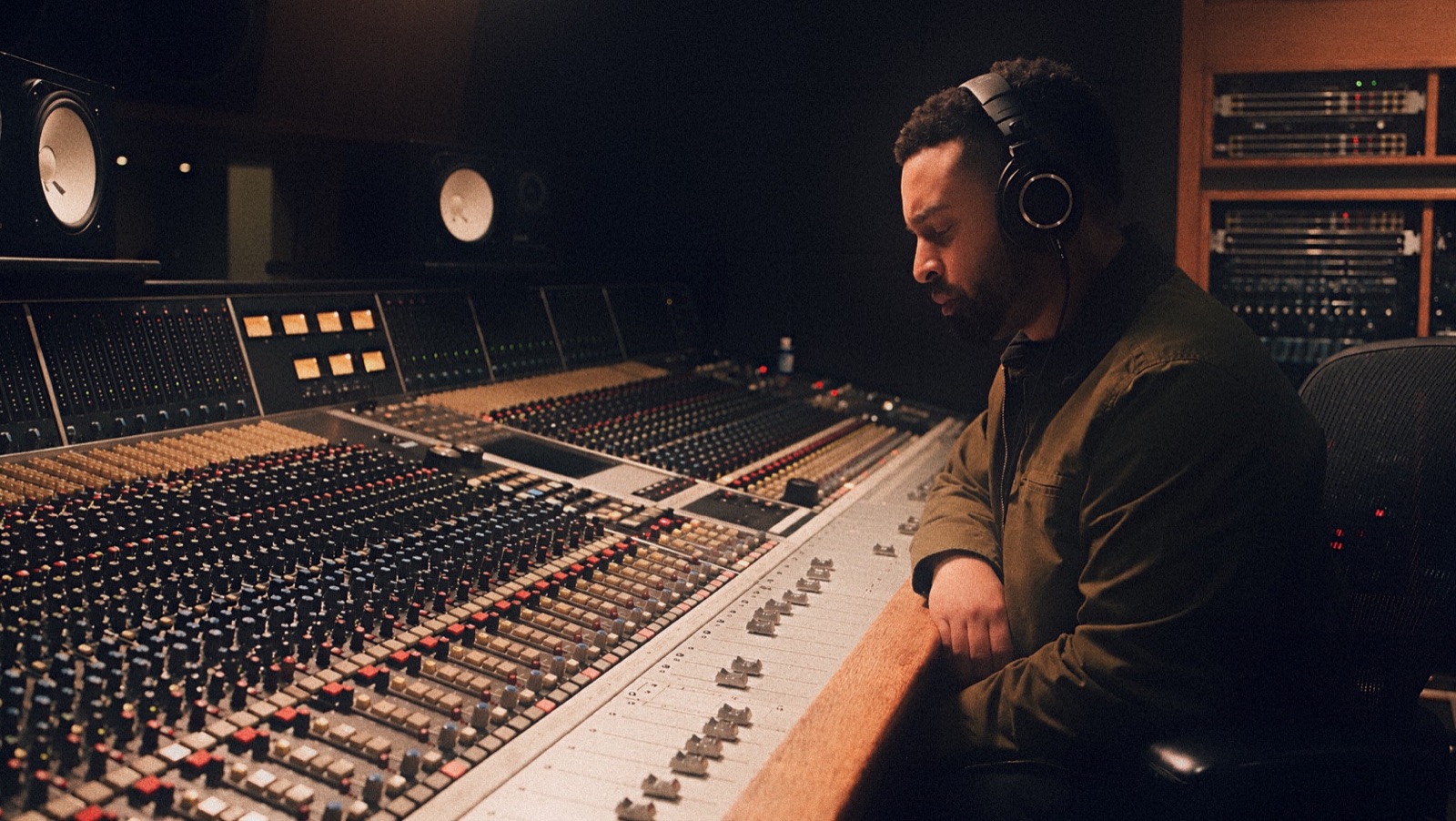
Mixing & mastering engineer, producer
I'm Luis Canción, an award-winning mixing and mastering engineer and producer in Hialeah, FL. I co-produced "Is That Okay?" by Social Club Misfits & Lecrae, a 2021 GMA Dove Award nominee for Rap/Hip Hop Recorded Song of the Year, from Feared By Hell, a 2021 Dove nominee for Rap/Hip Hop Album of the Year. I produced and engineered ENISA's "Mockingbird." My work carries a record that crossed Gold-level sales, Dove Award–nominated records, and credits on records that charted on Billboard, with work for Universal Music Group, Warner Music Group, Capitol CMG and the UFC.
AS FEATURED INAudezeSoundBetterVoyage MIAShoutout Miami
THE QUICK ANSWER
Here’s how to mix a live worship album: build on the stage tracks, align the crowd and room mics, and bring them forward when the congregation joins in. Keep the bleed that belongs, and balance the choir around the lead so the words stay clear.
Here's how I think about each part, and what to send me.
01 / WHY IT’S DIFFERENT
Why is a live worship album harder to mix than a studio record?
Every mic hears some of the stage, the songs run long, and the congregation is part of the record. Move one fader and you can change the balance of the whole room.
A quiet prayer, a full-band chorus and a vamp can sit next to each other in the same song. Start with the stage tracks so you can hear how the band and lead work together before you bring up the room.
“Growing up in church music was a huge influence during my upbringing, I really learned how to direct the band, manage the musicality of every individual, and turn it into one sound.”
Luis Canción · Audeze interview, Feb 2024
02 / CROWD AND ROOM
How much crowd and room should a live worship album have?
Keep enough room and crowd to hear that the night happened. Build on the stage tracks and bring the audience forward when the congregation sings or responds.
| Moment | Crowd / room level | Why | Source |
|---|---|---|---|
| Before you balance anything | lined up with the stage tracks | they're rarely in phase with the stage | Waves, "14 Tips to Mix a Better Live Recording" |
| Song starts and endings | up | the room and the congregation tell you it's live | Waves |
| Verses and quiet moments | low | keeps the lead and the words clear | Waves |
| Singalongs and responses | forward | the congregation is part of the song here | my live gospel/R&B post ("keep enough room and crowd to hear that the night happened") |
| Whole mix | checked against every instrument, early | crowd tracks change how everything else sounds | ProSoundWeb, "Maximizing The Mix Of Live Recordings" |
Waves recommends checking the crowd mics against the stage tracks for timing and phase, then riding them up at song starts and endings. Listen with both sets of mics playing so you can hear whether bringing up the room softens the attack or makes the mix sound washed out.
ProSoundWeb brings in the audience tracks early and checks them against each instrument. For more on that balance, see my notes on keeping a live worship record live.
03 / THE CHOIR
How do you mix a choir on a live record?
Group the parts by section, establish the lead, then balance the choir around it. Placement and shared ambience help the sections feel like one ensemble.
Tighten distracting timing differences thoughtfully. Leaving natural movement can help a choir feel like people singing together.
Check the blend while the lead is singing and again when the choir answers. I cover that balance in more detail in mixing choirs and vocal stacks.
Give each layer space around the lead.
04 / BLEED
What do you do about band bleed?
Work with the bleed. Band bleed is part of a live recording. Editing every trace away can change the feel; leaving every distraction can bury the song.
As iZotope explains, EQ on a mic with bleed also changes the sound of the other instruments that mic picked up. If you shape a choir mic in solo, check what that move does to the band when you put it back in the mix.
ProSoundWeb recommends getting a general balance first, then shaping it with the leakage in mind. Listen to the full mix again after each change that affects the stage and room together.
05 / EDIT OR KEEP
What should you edit, and what should you keep?
Decide what interrupts the moment and what belongs to it, especially at transitions and the vamp.
- Spontaneous worship and prayer. Decide with the worship leader which moments belong on the album.
- Transitions between songs. Mark the ones you want to keep, trim or crossfade.
- Distractions. Flag feedback, a dropped mic or noise that pulls attention away from the performance.
- Parts that need replacing. Tell me what needs replacing. Live players and Live/Gospel production are priced in the Project Builder.
Put every keep-or-cut call in your notes with timestamps.
06 / THE LEAD
How do you keep the lead vocal on top?
Make the lead intelligible while keeping the connection between the band, singers and congregation.
“A louder vocal isn’t always a clearer vocal.”
Luis Canción
Use rides and automation before reaching for more compression. Listen for the phrase that gets lost when the choir or band comes in, then adjust the balance at that moment.
Check the words on two playback systems. Here’s how to tell if a mix will translate.
07 / ALBUM FLOW
How do you make it feel like one night?
Keep the space and overall sound consistent across songs, and let the crowd carry the transitions you want to preserve. Play the end of one song into the start of the next to hear how that handoff feels.
Mastering is included in every tier, so the songs are finished together. See mixing vs mastering for where those decisions happen.
08 / WHAT TO SEND
What should you send for a live worship mix?
Send the individual WAVs, a board or livestream mix, and a timestamped setlist with your edit notes. Include references so I can hear where you want the record to go.
- Every channel from the recording. Export each as its own WAV from the same start point, including crowd and room mics.
- The board or livestream mix. Send this as your premix. References show the destination, and the premix shows where the song is now.
- The setlist with timestamps. Mark each song and transition.
- Keep-or-cut notes. Mark the moments you want left in or edited.
- 1–3 reference records. Choose records that show the sound and feel you’re after.
- BPM and key. Include them where you have them.
Use my free file-prep guide and how to prepare tracks for mixing to check your exports.
09 / COST
What does it cost to mix a live worship album?
I price each song on its own, by track count and length. Choirs, live bands and layered background vocals can reach 40–80+ tracks.
| Tracks in the song | Price (mix & master) | Songs over 4 minutes |
|---|---|---|
| up to 15 | $299 | +$50 per extra minute |
| 16–30 | $549 | +$50 per extra minute |
| 31–80 | $699 | +$50 per extra minute |
| 81+ | personal quote | — |
Each song is priced on its own. Booking through the Project Builder adds a 3% processing fee. Turnaround is 5–7 business days after payment and complete files. Every tier includes 3 revision rounds.
A 7-minute song with 60 tracks is $699 plus 3 × $50 for the extra minutes: $849. For 81+ tracks, ask for a personal quote.
See how much mixing costs and count your tracks. Planning a whole album? book a consult and we’ll map it out.
If the board mix already sounds the way you want it, you don’t need a remix. Standard mastering is $124 a song. See my mastering service and how to prepare your mix for mastering.
10 / LISTEN
Where can you hear my work?
Here are three credits you can listen to.
- GOZO · Josh Lopez + Ingrid Rosario production, mixing & mastering
- Jesus Is King · Blanca mixing & mastering
- Colores · Redimi2 · Funky · Alex Zurdo mixing
11 / QUICK ANSWERS
What else should you know about mixing live worship?
How do you keep a live worship album feeling live?
Keep enough room and crowd that it sounds like the night happened, and fix what distracts. The lead still has to sit on top.
How loud should the crowd be on a live album?
Low under verses, up at song starts and endings, and forward where the congregation sings or responds. Line the crowd mics up with the stage tracks first.
How do you mix a choir on a live recording?
Group the parts by section, establish the lead, then balance the choir around it. Leave some natural movement so it sounds like people singing together.
Should I remove all the bleed?
No. Bleed is part of a live recording; take out what interrupts the moment and keep what belongs to it.
What should I send for a live worship mix?
Every channel as its own WAV from the same start point, the board or livestream mix, the setlist with timestamps, keep-or-cut notes and 1–3 references.
How much does it cost to mix a live worship song?
By track count: $299 up to 15 tracks, $549 for 16–30, $699 for 31–80, with 81+ quoted. Songs over 4 minutes are +$50 per extra minute.
How do you price a whole live album?
Each song is priced on its own by its track count and length. For a full album, book a consult and we'll plan it together.
Do you mix Spanish-language worship?
Yes. My credits include Redimi2's "Colores" and Ingrid Rosario & Josh Lopez's "GOZO." Send references in whatever language your record is in.
Bring me your live record
Mix & master by track count, or Live/Gospel production with live players, all priced in the Builder before you pay.
Open the Project BuilderMix & master packagesPreset Vault
Mixing it yourself? My Logic Pro mix template and vocal presets are in the Preset Vault.
Booking and contact
Planning a whole album? Book a 30-minute consult ($49.99), start with a $100 test mix on a short clip, or send me a message.